Swedish or Deep Tissue Massage? How to Choose the Right Pressure
Swedish and deep tissue are the two most common massage choices, and the difference comes down to pressure, pace and what you want from the hour.
October 27, 2026 · 4 min read
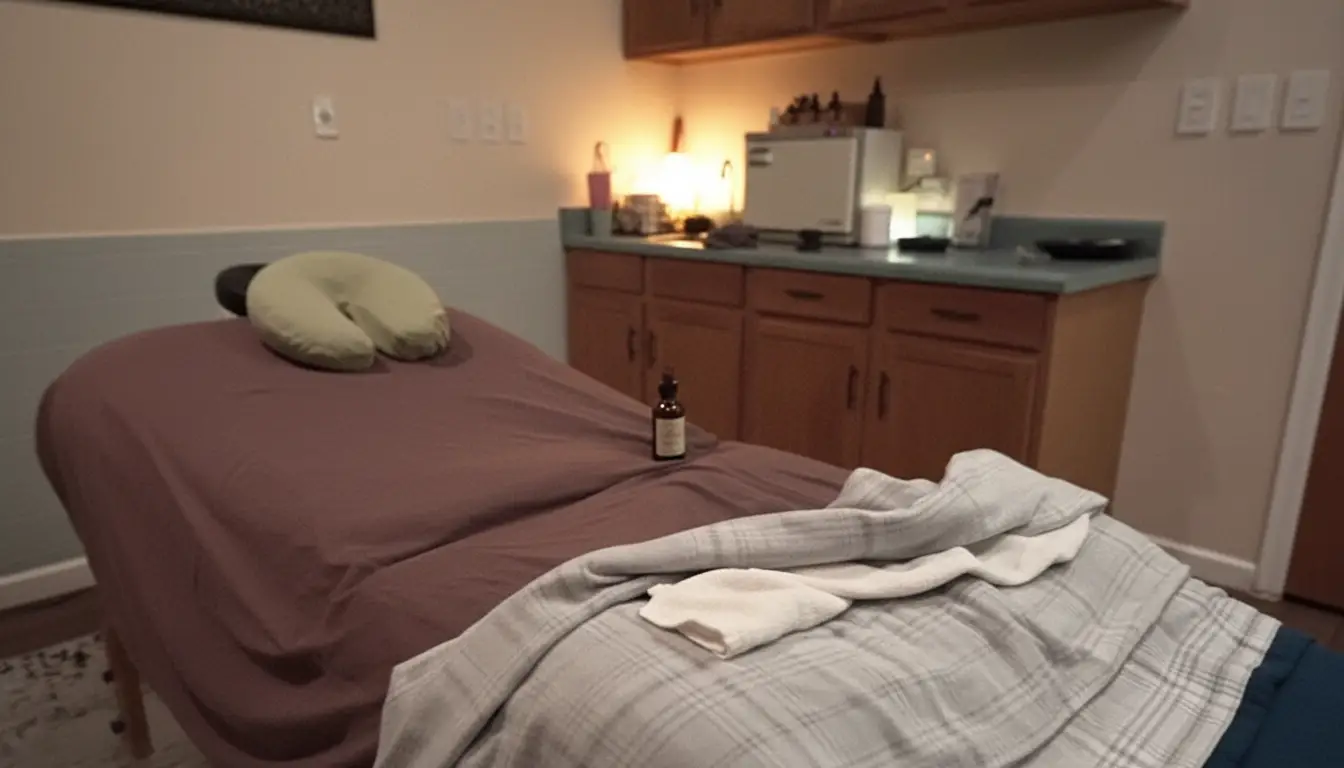
The first question at the front desk is often the simplest one: Swedish or deep tissue? If you've never had a massage, or you have and weren't sure what you were picking, the names don't tell you much. This guide breaks down the two styles in plain terms so you can book with confidence.
Both are part of the traditional massage menu at Fluid Energies Inc. in Yuma, along with sports, prenatal and aromatherapy massage. Here's how we describe the two big ones, and how to figure out which suits you.
Swedish massage: long strokes, light to firm
Swedish is a relaxing and invigorating full body massage built on long strokes, with pressure that varies from light to medium to firm. It's considered one of the most relaxing styles, and for a lot of people it's the right place to start.
The word to notice is varies. Swedish isn't automatically a light-touch massage. If you say you want firmer pressure, the strokes stay long and flowing while the pressure goes up. That's why a person who likes strong pressure can still enjoy it, and why it works for first-timers who aren't sure how much they can take.
Choose Swedish if you want to unwind, if massage is new to you, or if you want a full-body session that feels smooth from start to finish.
Deep tissue: slower, firmer, more focused
Deep tissue is a deeper, more intense massage. The technique uses slow, deep guided strokes and firm pressure designed to relieve severe tension and reach below the superficial muscles.
The pace is the clue. Where Swedish glides, deep tissue slows down. Your therapist spends time on one area, working with firm pressure and deliberate movement instead of covering the whole body quickly. It tends to suit people who carry tension in a few spots, like the shoulders, neck or low back, and want those spots to get most of the attention.
Choose deep tissue if you know where the tension lives, if you generally like firm pressure, or if lighter massage has left you feeling like it didn't reach the spot.
A quick way to decide
If you're still stuck, these questions usually settle it:
- Do I want to relax all over, or work on one or two problem areas?
- Have I liked firm pressure in the past, like a strong hug or a deep stretch?
- Is this my first massage in a long while?
- Do I want to feel sleepy afterward, or do I want a specific tight spot dealt with?
If your answers lean toward relaxing and ease, start with Swedish. If they lean toward specific areas and strong pressure, try deep tissue. And if you're somewhere in the middle, book Swedish and ask for firmer pressure in the areas that need it.
Telling your therapist about pressure
This is the part most people skip, and it's the part that makes the biggest difference. Your therapist can't feel what you feel. They know what the muscle is doing under their hands, but only you know whether it's too much, too little or just right.
So talk during the session. A few simple phrases do the job: "A little lighter, please." "Can you go deeper there?" "That's perfect, stay right there." Nobody will be offended. Good therapists welcome the feedback.
General guidance applies here: firm pressure on a tight muscle can feel intense, but it shouldn't feel sharp. If you notice sharp pain, burning, tingling or numbness, speak up right away. And don't tough it out because you think harder is better. Pressure you're clenching against often does less for you than a level you can breathe through.
One of our Google reviewers, Ang Migz, wrote after a couples massage: "The pressure was perfect, and our muscles were relaxed." That's the goal, and it comes from asking.
Other traditional options
Swedish and deep tissue aren't the only choices. Sports massage is aimed at athletes. Prenatal massage focuses on the needs of a mother-to-be during pregnancy. Aromatherapy massage uses blended essential oils, and you choose from a selection of oils that suits your mood.
If you're not sure which one fits, tell the front desk what's going on when you book. Our team includes seven Arizona Board licensed massage therapists, and a regular client, Paulina Razo, put it this way in her Google review: "you cannot go wrong with anyone you pick."
If you have a health concern
Deep, firm work isn't right for everyone. If you have a medical condition, an injury, or you're pregnant, check with your doctor and mention it when you book. Some treatments may not suit certain health issues, and it's far easier to adjust the plan before you're on the table than after.
The traditional massage page on this site lists every style with its lengths, and prices can be confirmed when you book. To pick a time or ask a question about pressure, call us at (928) 276-4605. We're at 777 W 27th Street in Yuma.
Fluid Energies Inc. Massage Therapy, (928) 276-4605
Call (928) 276-4605More articles
Medical Massage in Yuma: No Referral Needed, and What the Plan Looks Like
You can book medical massage at Fluid Energies without a prescription, and here is what happens from the first evaluation through maintenance.
Your First Massage at Fluid Energies: What to Know Before You Walk In
A first visit goes best when you know the small things ahead of time, from the intake form to the cancellation policy.